Goal Setting Achievement Workbook: A Practical Guide to Turning Vision into Action
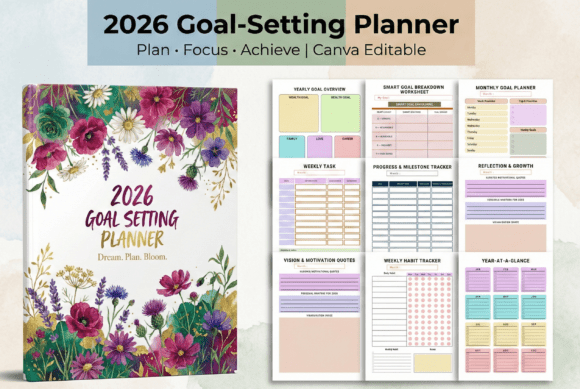
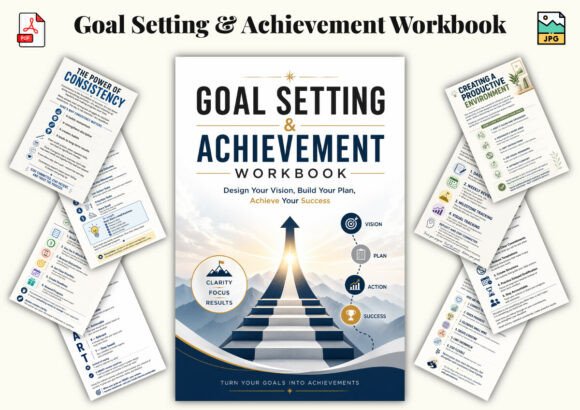
Setting a goal is easy. Following through is where most people get stuck. Between the initial spark of an idea and the satisfaction of completion lies a gap filled with distractions, unclear steps, and fading motivation. The Goal Setting Achievement Workbook is designed to bridge that gap. This 31-page resource is not just a collection of worksheets—it is a structured system that helps you move from intention to execution with clarity and consistency.
Whether you are planning a career shift, launching a side project, or simply trying to bring more order to your daily life, this workbook provides the framework to turn abstract aspirations into concrete outcomes. It is built for adults aged 20 to 50 who value practical tools over theoretical advice. Professionals, entrepreneurs, freelancers, coaches, and students alike will find that the workbook fits naturally into their existing routines without adding unnecessary complexity.
Where the Workbook Fits in Your Process
Most planning tools assume you already know what you want. The Goal Setting Achievement Workbook starts earlier. It begins with vision-building exercises that help you clarify what truly matters before you dive into action planning. This makes it useful at multiple points in any process—before a project begins, during execution when you need to realign, or after completion when you want to reflect and improve.
Before starting a major goal, use the workbook to define your vision, set SMART criteria, and break down large objectives into manageable steps. During a project, the weekly and monthly planning pages keep you on track while the habit trackers help you maintain consistency. After finishing a goal, the reflection prompts give you space to analyze what worked and what needs adjustment for the next cycle.
This flexibility makes the workbook more than a one-time exercise. It becomes a recurring part of your workflow—something you return to at the beginning of each month, quarter, or whenever you feel your direction slipping.
Goal Clarity and Vision-Building Exercises
The first few pages are dedicated to getting clear on your vision. This is not about writing vague statements like "be more successful." Instead, the prompts guide you to define what success looks like in specific terms. You will articulate your values, identify what you truly want to achieve, and connect each goal to a deeper purpose. This step is critical because goals that lack personal meaning rarely sustain long-term effort.
Use these exercises whenever you feel uncertain about your next move. They work well at the start of a new year, after a major life change, or when you are juggling multiple priorities and need to decide where to focus.
SMART Goal Guidance
The workbook includes structured sections for setting Specific, Measurable, Achievable, Relevant, and Time-bound goals. Instead of just explaining the concept, it provides templates that force you to think through each element. You will write down measurable criteria, set realistic deadlines, and check that each goal aligns with your broader vision.
This section is especially helpful when you are working on goals that involve other people—whether that means reporting to a manager, collaborating with a team, or committing to a client. Having SMART goals written down makes communication clearer and expectations easier to manage.
Daily, Weekly, and Monthly Planning Tools
Planning at different time scales prevents two common problems: getting lost in daily tasks without seeing the bigger picture, or focusing only on long-term goals while ignoring what needs to happen today. The workbook includes dedicated pages for each time horizon.
Start each month by mapping out major milestones on the monthly planner. Each week, break those milestones into specific actions. Each day, use the daily planning pages to identify your top three priorities. This layered approach keeps you aligned with your long-term vision while staying grounded in daily execution.
For professionals managing multiple projects, the weekly planning pages are particularly useful. You can assign tasks to specific days, note deadlines, and track progress without needing separate tools for each project.
Habit Tracking and Consistency Strategies
Achievement is rarely the result of a single heroic effort. It comes from repeated small actions done consistently over time. The workbook includes habit trackers that let you monitor daily behaviors that support your goals. Whether you are building a writing habit, exercising regularly, or networking weekly, the tracker provides visual feedback that reinforces consistency.
Use the habit tracker alongside the daily pages. Each morning, review which habits you need to perform. Each evening, mark your progress. Over time, the act of checking off completed habits builds momentum and makes the behavior automatic.
Integrating the Workbook with Other Tools and Methods
The Goal Setting Achievement Workbook is designed to complement, not replace, your existing systems. If you already use a digital calendar, project management software, or a productivity method like Getting Things Done or time blocking, the workbook serves as a strategic layer above those tools.
For example, you might use the workbook to define your quarterly goals and break them into monthly milestones. Then take those milestones and enter them into your digital calendar or task manager as deadlines. The workbook becomes the place where you reflect, plan, and review, while your other tools handle execution and reminders.
Coaches and mentors can use the workbook as a shared resource with clients. Assign specific pages as homework, review completed sections during sessions, and use the reflection prompts to guide conversations. This creates a structured yet flexible coaching process that keeps both parties focused on measurable progress.
Students can combine the workbook with their existing study schedules. Use the goal-setting pages to define academic targets for the semester, the weekly planners to allocate study time, and the habit trackers to maintain routines like reviewing notes daily or practicing problems weekly.
Practical Implementation Tips
To get the most out of the workbook, treat it as a living document rather than a one-and-done exercise. Keep it accessible—whether printed or on your device—and revisit it regularly. Here are a few workflow suggestions based on common use cases:
- Weekly review: Set aside 15 minutes every Sunday evening. Review the past week's progress, update your habit tracker, and plan the upcoming week. This small ritual prevents drift and keeps your goals top of mind.
- Monthly reset: At the start of each month, go through the monthly planning pages. Compare your current trajectory with your original vision. Adjust deadlines if necessary, and celebrate milestones you have reached.
- Project kickoff: Whenever you start a new project, go directly to the goal clarity and SMART goal sections. Spend 20 minutes defining the outcome, success criteria, and timeline before touching any other tool. This upfront investment saves hours of rework later.
- Digital integration: If you prefer working digitally, use the PDF version with a note-taking app like GoodNotes or Notability. You can duplicate pages for recurring goals, export sections to share with collaborators, and keep everything searchable.
One observation from long-term users is that the workbook works best when you resist the urge to fill every page immediately. Focus on one goal at a time. Complete the vision exercise, set your SMART criteria, and plan the first month. Once you have built momentum with that goal, introduce additional goals in subsequent months. This prevents overwhelm and allows each goal to receive the attention it deserves.
Who Benefits Most
While the workbook is versatile, certain users will find it especially valuable. Productivity enthusiasts who already track their habits and plan their weeks will appreciate the structured format that adds strategic depth to their existing routines. Coaches and mentors can use it as a reproducible framework for client sessions. Freelancers and small business owners juggling multiple responsibilities will benefit from the clear prioritization and progress tracking.
Professionals in demanding roles—marketers, educators, project managers—often struggle to align daily tasks with long-term career goals. The workbook provides a dedicated space to step back from the urgent and focus on the important. For students and lifelong learners, the reflection prompts and habit trackers support the discipline needed for self-directed study.
The workbook also serves as a bridge between personal and professional goals. You can use the same pages to plan a business launch, a fitness journey, and a creative project. This unified approach prevents the fragmentation that happens when you use separate systems for different areas of your life.
Long-Term Use and Sustainability
A common concern with any planning tool is whether it will still be useful three months or a year from now. The Goal Setting Achievement Workbook is designed with long-term use in mind. Its pages are not dated, meaning you can print fresh copies for new cycles or reuse sections that remain relevant. The clean, minimal design reduces visual clutter and allows the content to stay focused on what matters.
For those who prefer print, the high-quality, print-ready format ensures that pages hold up to frequent handling and note-taking. The 6x9 inch size is portable enough to carry in a bag or keep on a desk without taking too much space. Digital users can duplicate pages, reorganize sections, and maintain a growing archive of completed goals.
Sustainable use comes from building a rhythm. In the first month, you might spend more time exploring the different sections and figuring out what fits your style. By the second month, the process becomes familiar. By the third month, the workbook becomes an automatic part of your planning routine—something you reach for without thinking.
The reflection prompts are especially valuable for long-term growth. After completing a goal, taking time to analyze what worked and what didn't turns every achievement into a learning experience. Over several cycles, this reflective practice compounds, making you more effective at setting and reaching goals over time.
The Goal Setting Achievement Workbook is not about forcing rigid structure onto your life. It is about providing a clear container for your ambitions—a space where ideas become plans and plans become results. Whether you are aiming for professional advancement, personal development, or creative expression, this workbook gives you the tools to move forward with confidence and clarity.